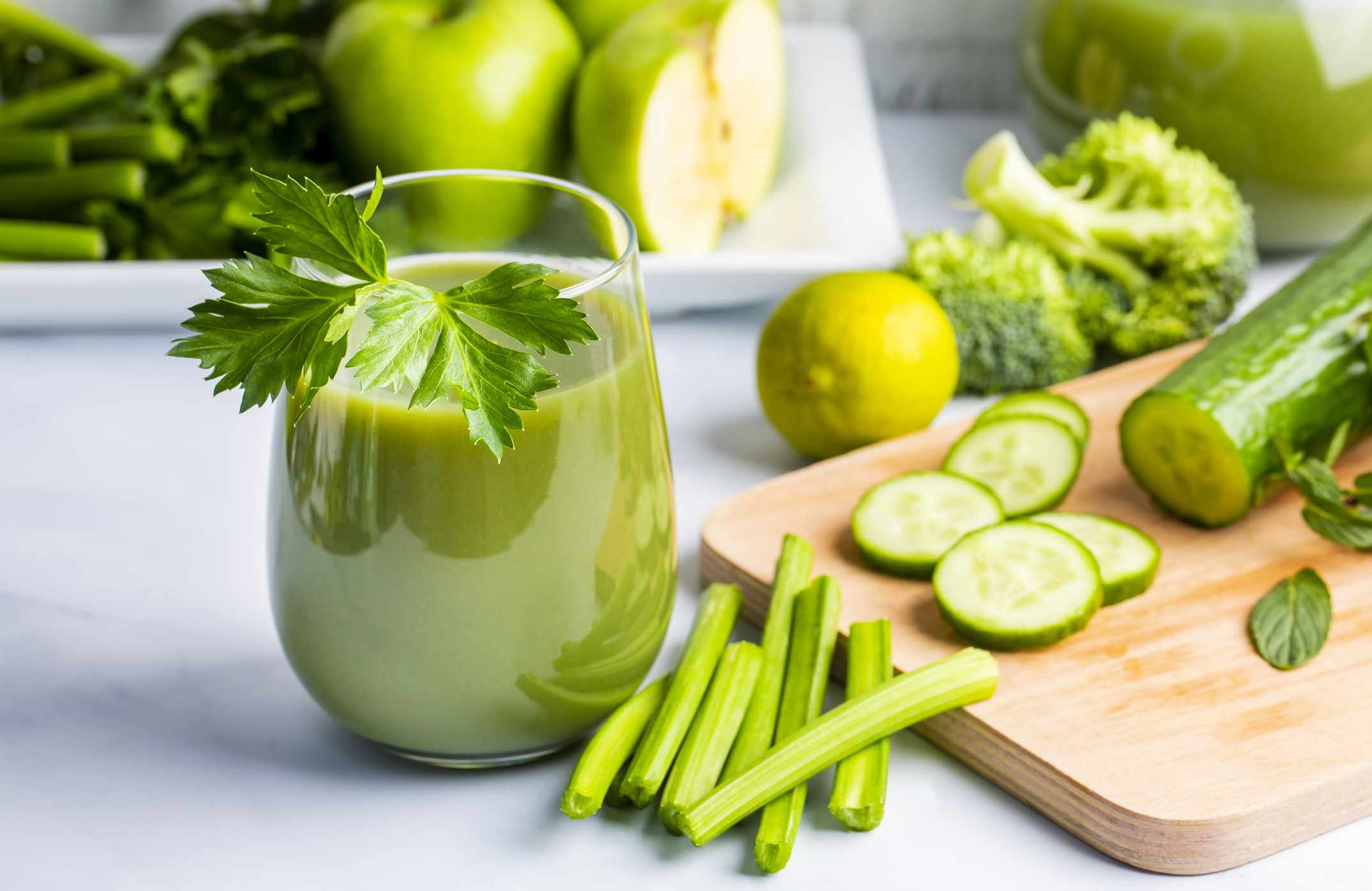
In the vibrant world of health and wellness, few trends have captured public imagination quite like green juice. From Hollywood celebrities and social media influencers to everyday food enthusiasts and wellness bloggers, the discourse around this verdant beverage has been ubiquitous for the better part of a decade. Enthusiasts often hail green juice as a miracle elixir, claiming it offers a plethora of benefits including improved digestion, significant weight loss, reduced inflammation, and a robust immune system.
However, as with many health phenomena, the hype often comes with a dose of skepticism. While the idea of concentrated liquid nutrition from a medley of fresh greens sounds undeniably appealing, it’s crucial to delve deeper into the science and practicalities. Is green juice truly the transformative health booster it's made out to be, or does it come with hidden drawbacks? This comprehensive guide will explore the often-lauded benefits alongside the frequently overlooked downsides, empowering you to make an informed decision about whether this popular health trend deserves a spot in your daily routine.
At its core, green juice is a beverage crafted from the extracted liquids of various green vegetables. While there’s no rigid recipe, popular ingredients typically include nutrient powerhouses like celery, kale, Swiss chard, spinach, wheatgrass, cucumber, parsley, and mint. Given the naturally bitter profile of many greens, a common practice is to incorporate small amounts of fruit—such as apples, berries, kiwi, lemons, oranges, or grapefruit—to enhance palatability and add a touch of sweetness. The most dedicated advocates often prefer fresh, homemade concoctions, though specialty juice cafés and commercial bottled options are widely available. When opting for store-bought versions, it’s vital to scrutinize labels, as many contain added sugars, which can diminish their nutritional value and contribute to adverse health effects. Additionally, commercial juices are frequently pasteurized—a heating process designed to kill harmful bacteria and extend shelf life—which, unfortunately, can degrade some of the heat-sensitive vitamins and beneficial plant compounds found in raw, fresh juice.
The Allure of Green Juice: Unpacking Its Potential Health Benefits
While green juice is by no means a substitute for a balanced, whole-foods diet, it undeniably shares many of the profound advantages associated with increasing your overall intake of fruits and vegetables. Green vegetables, in both their whole and juiced forms, are exceptional sources of essential vitamins, minerals, and an array of beneficial plant compounds. For instance, Swiss chard and kale are brimming with vitamins A and K, critical for vision, bone health, and blood clotting, while wheatgrass provides a significant boost of vitamin C and iron, supporting immunity and oxygen transport.
Beyond the fundamental vitamins and minerals, the rich array of phytonutrients in green vegetables contributes to their potent health-promoting properties. These compounds, such as chlorophyll, carotenoids, and various antioxidants, work synergistically to protect cells from damage. Research consistently highlights that regular consumption of leafy green vegetables can significantly contribute to reduced systemic inflammation, lower the risk of cardiovascular diseases, and even help in mitigating age-related cognitive decline, safeguarding mental acuity as we age. The concentrated nature of green juice means you might consume the equivalent of several servings of vegetables in one glass, making it an efficient Green Juice Guide: Maximize Health Benefits and Avoid Pitfalls for nutrient intake, particularly for those who struggle to eat enough greens daily.
Moreover, evidence suggests that certain compounds present in fresh green juice can act as prebiotics. Prebiotics are non-digestible food ingredients that selectively stimulate the growth and activity of beneficial bacteria (probiotics) residing in your digestive tract. A healthy gut microbiome is a cornerstone of overall well-being, influencing everything from digestion and nutrient absorption to mood and immune function. Regular prebiotic intake has been linked to numerous digestive benefits, including a reduction in constipation, assistance with weight management, and enhanced immune responses.
For many, drinking vegetables and fruits offers a convenient and palatable pathway to boosting their daily nutrient intake. This is particularly beneficial for individuals with dietary restrictions, those recovering from certain surgeries on the stomach or intestines, or even picky eaters who find it challenging to consume whole produce. The liquid form of green juice can be easier to digest and assimilate, allowing nutrients to be absorbed more readily.
Navigating the Downsides: What to Consider Before You Sip
Despite the glowing testimonials, it’s imperative to approach green juice with a balanced perspective, acknowledging its potential drawbacks. Understanding these limitations is key to making truly healthy choices.
Fiber Loss: The Missing Link
Perhaps the most significant downside of traditional juicing, as opposed to blending, is the removal of dietary fiber. When you juice fruits and vegetables, the pulp—which contains the bulk of the fiber—is discarded. Fiber is a critical component of a healthy diet, offering numerous benefits: it promotes satiety, helping you feel full and potentially aiding in weight management; it regulates blood sugar levels, preventing spikes and crashes; and, importantly, it acts as a prebiotic, feeding the beneficial bacteria in your gut. As Diana Sugiuchi, R.D.N., L.D.N., notes, "One of the key benefits of veggies is their fiber content. One of the main ones is that the fiber acts as a prebiotic in your digestive tract. It helps to feed those good bacteria that have effects on our physical and mental health." Without this fiber, green juice can be less filling than eating whole produce, potentially leading to increased hunger shortly after consumption and, consequently, overeating later in the day. This is a crucial distinction when considering Green Juice vs. Whole Veggies: The Truth About Nutrient Intake.
Sugar Content: A Hidden Sweetness
To counteract the natural bitterness of many greens, most green juice recipes incorporate fruits. While fruits provide valuable vitamins and antioxidants, they also contain natural sugars. When juiced, these sugars are consumed rapidly without the buffering effect of fiber, which would typically slow down their absorption. This can lead to a quicker rise in blood sugar. This concern is amplified in many commercial green juices, which often contain significant amounts of added sugars to improve taste and appeal, turning a seemingly healthy drink into a sugar-laden beverage. Excess sugar intake is strongly linked to various adverse health outcomes, including weight gain, increased risk of type 2 diabetes, and heart disease.
Nutrient Degradation and Cost
As mentioned, the pasteurization process common in commercially bottled green juices, while extending shelf life and ensuring safety, can unfortunately diminish the concentration of heat-sensitive vitamins (like Vitamin C and some B vitamins) and delicate plant compounds. This means that a bottled green juice, even without added sugar, might not deliver the same nutritional punch as a freshly prepared, raw version. Furthermore, the cost of fresh, especially organic, produce required for homemade green juice can be substantial, making it an expensive habit for some. For those on a budget, prioritizing whole fruits and vegetables might be a more economically viable way to boost nutrient intake.
Other Considerations
- Oxalate Content: Some popular green juice ingredients like spinach and kale are high in oxalates. While generally safe for most, individuals prone to kidney stones might need to be mindful of their oxalate intake and consult a healthcare professional.
- Lack of Satiety: Due to the lack of fiber, green juice offers little in terms of satiety. It's easy to drink a large amount of calories and nutrients quickly without feeling full, which can be counterproductive for weight management if not mindful.
- Digestive Distress: For some individuals, the concentrated nature of raw green vegetables can initially cause digestive upset, especially if introduced too quickly or in large quantities.
Maximizing Your Green Juice Experience: Tips for Smart Consumption
If you're still keen on incorporating green juice into your lifestyle, smart strategies can help you maximize its benefits and mitigate the downsides. The goal should always be to use green juice as a complement to your diet, rather than a replacement for whole foods.
- Blend, Don't Just Juice: Whenever possible, opt for blending your green juice ingredients instead of using a traditional juicer. Blending retains all the fiber, providing greater satiety, regulating blood sugar more effectively, and supporting gut health. This single tip can transform your green drink from a nutrient shot into a more complete, satisfying beverage.
- Prioritize Greens, Limit Sweet Fruit: Focus on a higher ratio of green vegetables to fruit. Use naturally low-sugar flavor enhancers like lemon, lime, ginger, mint, or a tiny pinch of stevia instead of excessive fruit. Apples and berries are good choices for sweetness without overloading on sugar, but use them sparingly.
- Go Homemade and Fresh: Preparing your green juice at home ensures you have complete control over ingredients, avoiding added sugars and benefiting from maximum nutrient integrity. Aim to consume it soon after preparation to retain the most nutrients.
- Read Labels Meticulously: If buying commercial green juice, be diligent about checking ingredient lists for added sugars, artificial sweeteners, and preservatives. Opt for cold-pressed, unpasteurized varieties if possible, but be aware of their shorter shelf life.
- Complement, Don't Replace: Think of green juice as a powerful supplement to your existing diet, not a meal replacement. It’s excellent for boosting nutrient intake, especially on days when your vegetable consumption might be lower, but it should not supersede your intake of whole fruits, vegetables, and other balanced food groups.
- Listen to Your Body: Start with small portions and observe how your body responds. Some individuals might experience digestive discomfort initially. Adjust ingredients and quantities as needed.
- Embrace Variety: Rotate your green juice ingredients regularly to ensure you're getting a broad spectrum of nutrients and to prevent over-reliance on a single set of compounds. This also helps reduce the potential for oxalate buildup for sensitive individuals.
Conclusion
Green juice, when approached mindfully, can certainly be a valuable addition to a healthy lifestyle. It offers a convenient and effective way to increase your intake of vital vitamins, minerals, and plant compounds, contributing to improved immunity, reduced inflammation, and better gut health. However, it's far from a magic bullet. Understanding its limitations—particularly the loss of fiber and potential for high sugar content—is paramount. By opting for homemade, blended concoctions with a focus on greens over fruits, and by recognizing that green juice is a supplement rather than a substitute for a balanced, whole-food diet, you can genuinely harness its benefits. Ultimately, an informed and holistic approach to nutrition, where green juice plays a supportive role, is the most sustainable path to long-term health and well-being.
