Unlocking Nature's Power: Your Comprehensive Green Juice Guide
In the bustling world of health and wellness, few trends have captured public imagination quite like green juice. From celebrity endorsements to viral social media posts, this vibrant beverage has solidified its status as a go-to elixir for those seeking a nutritional boost. Enthusiasts often tout a myriad of benefits, including enhanced immunity, improved digestion, weight management, and reduced inflammation. Yet, like any popular health solution, green juice comes with its own set of considerations and potential pitfalls.
This guide aims to cut through the hype, offering a comprehensive look at what green juice is, its genuine health benefits, and how to enjoy it in a way that truly maximizes its potential while sidestepping common mistakes. Whether you're a seasoned green juice devotee or curious newcomer, understanding the nuances is key to integrating this powerful drink effectively into your healthy lifestyle.
What Exactly Is Green Juice? Deconstructing the Drink
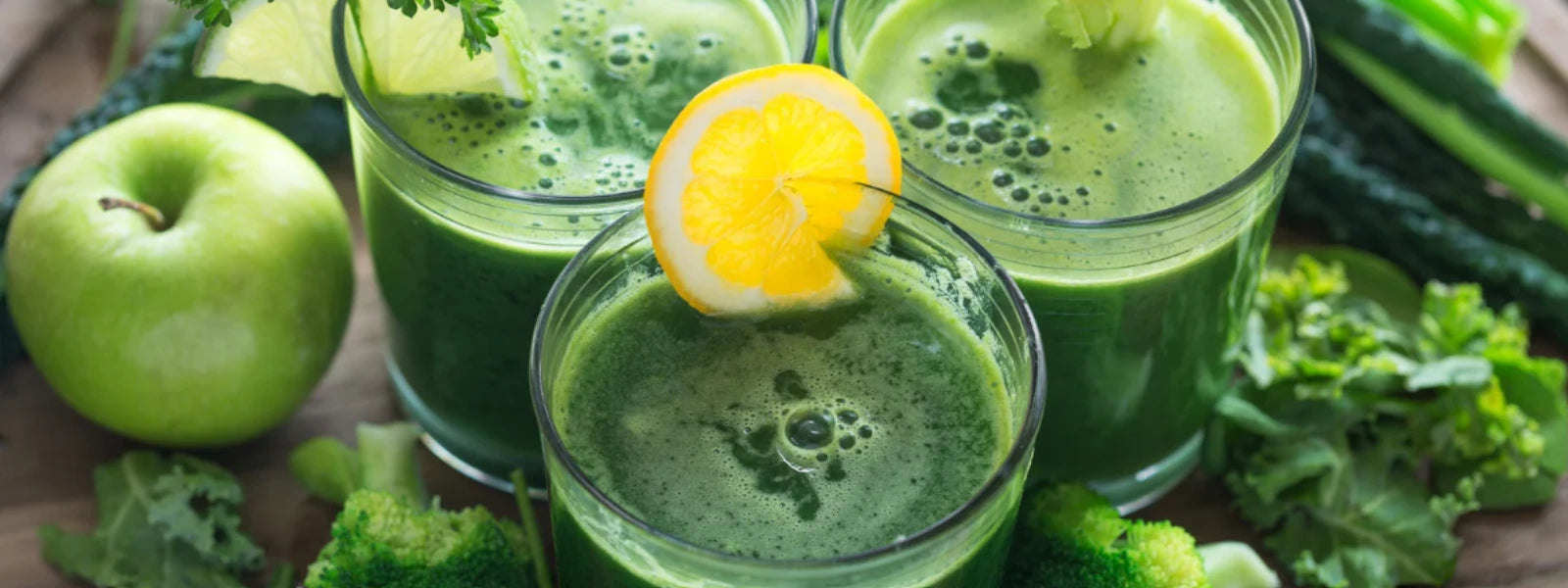
At its core, green juice is a nutrient-dense beverage crafted predominantly from the extracted liquids of green vegetables. Unlike a smoothie, which typically retains the whole plant material, juicing separates the liquid from the fibrous pulp. While there's no single official recipe, a diverse array of green produce commonly forms its base.
Common Ingredients for a Potent Green Juice
- Leafy Greens: Spinach, kale, Swiss chard, collard greens, romaine lettuce. These are powerhouses of vitamins A, K, and various antioxidants.
- Hydrating Vegetables: Cucumber, celery. Excellent for hydration and provide a mild, refreshing base.
- Herbs: Parsley, mint, cilantro. Offer unique flavor profiles and additional beneficial plant compounds.
- Specialty Greens: Wheatgrass. Known for its high concentration of vitamin C and iron.
Given the naturally bitter taste of many green vegetables, most green juice recipes strategically incorporate small quantities of fruit to enhance palatability. These fruits may or may not be green themselves, but their sweetness balances the earthy notes of the vegetables. Popular choices include crisp apples, vibrant berries, tangy kiwi, zesty lemons, oranges, or grapefruit. The inclusion of citrus, in particular, not only improves taste but also adds vitamin C and can aid in nutrient absorption.
When it comes to sourcing, you have options. The most dedicated advocates often prefer fresh, homemade green juice, prepared with their own juicer or blender. Many specialty juice cafés also offer freshly made options. However, the market is flooded with commercial bottled green juices, which require careful scrutiny. Some varieties come loaded with added sugars, significantly diminishing their nutritional value and introducing the adverse health effects associated with excess sugar intake. Furthermore, many bottled options are pasteurized—a heating process that extends shelf life by killing harmful bacteria but can unfortunately degrade heat-sensitive vitamins and beneficial plant compounds found in fresh produce. For optimal nutritional integrity, freshly prepared, homemade green juice typically reigns supreme.
The Genuine Health Benefits of Incorporating Green Juice
While green juice is not a magical cure-all or a substitute for a balanced diet, it can be a highly effective tool for supplementing your nutrient intake and boosting overall well-being. It essentially condenses a significant amount of fresh produce into an easily consumable form, delivering a concentrated dose of vitamins, minerals, and phytonutrients.
Key Advantages of Green Juice
- Rich in Essential Nutrients: Green vegetables are stellar sources of vital vitamins and minerals. For instance, Swiss chard and kale are packed with vitamins A and K, crucial for vision, bone health, and blood clotting. Wheatgrass supplies a generous amount of vitamin C, an immune booster, and iron, essential for energy and oxygen transport.
- Anti-Inflammatory Power: The abundant antioxidants and plant compounds found in leafy greens are known for their potent anti-inflammatory properties. Regular intake of these greens may help reduce chronic inflammation, a root cause of many modern diseases.
- Support for Heart Health and Cognitive Function: Research indicates that a daily intake of leafy green vegetables can contribute to a reduced risk of heart disease and may slow age-related mental decline, helping to maintain cognitive sharpness as we age.
- Promotes Gut Health as a Prebiotic Source: Certain compounds in fresh green juice can act as prebiotics. Prebiotics are non-digestible fibers that feed and support the growth of beneficial bacteria within your digestive tract. A healthy gut microbiome is linked to numerous benefits, including improved digestion, reduced constipation, enhanced immune function, and even better mood regulation.
- Efficient Nutrient Delivery: For many, drinking their vegetables and fruits is simply an easier and more efficient way to significantly boost their daily intake of valuable nutrients, especially for those who struggle to consume enough whole produce.
- Digestive Ease: For individuals recovering from gastrointestinal surgery or those with sensitive digestive systems, green juice can be particularly beneficial. As the fiber is largely removed, it's often easier to digest and absorb nutrients compared to consuming whole, raw vegetables.
Ultimately, green juice acts as a powerful complement to a healthy lifestyle, providing a convenient way to flood your body with vital nutrients. For a deeper dive into its overall impact, consider reading our related article: Green Juice Benefits & Downsides: Is This Health Trend Worth It?
Navigating the Pitfalls: Downsides and How to Avoid Them
While the allure of green juice is strong, it's crucial to approach it with an informed perspective, recognizing its limitations and potential downsides. Understanding these can help you harness its benefits without falling into common traps.
The Fiber Conundrum: Juicing vs. Blending
One of the most significant drawbacks of traditional juicing is the removal of fiber. Fiber is an indispensable component of whole fruits and vegetables, offering several critical health benefits:
- Satiety: Fiber helps you feel full and satisfied, which is crucial for appetite control and weight management.
- Blood Sugar Regulation: It slows down the absorption of sugars into the bloodstream, preventing sharp spikes and crashes.
- Digestive Health: As mentioned, fiber acts as a prebiotic, nourishing beneficial gut bacteria. It also adds bulk to stool, aiding in regular bowel movements and preventing constipation.
When you juice, most of this beneficial fiber is discarded. This is why many nutrition experts, like Diana Sugiuchi, R.D.N., L.D.N., often recommend blending rather than juicing. Blending retains the entire fruit or vegetable, including its fiber, offering a more complete nutritional profile. While green juice still delivers vitamins and minerals, it misses out on a key benefit of whole produce. To understand this distinction better, explore our article: Green Juice vs. Whole Veggies: The Truth About Nutrient Intake.
Hidden Sugars and Nutrient Dilution
While green juice is celebrated for its low sugar content compared to fruit juices, adding too much fruit for sweetness can negate this advantage. Excessive fruit can elevate the sugar load, potentially leading to blood sugar spikes and contributing to excess calorie intake if not mindful. Even more concerning are many commercial green juices that contain significant amounts of added sugar, drastically reducing their nutrient density and contributing to the negative health impacts associated with high sugar consumption.
Cost and Practicality
Regularly purchasing fresh, especially organic, produce for juicing can become quite expensive. Furthermore, the preparation time and cleanup involved in making homemade green juice can be a deterrent for busy individuals. This often leads people to less healthy, pre-bottled options.
Oxalate Content and Variety
Some popular greens like spinach and kale are high in oxalates, natural compounds that can contribute to kidney stone formation in susceptible individuals. While generally not an issue for most people with varied diets, relying heavily on the same high-oxalate greens daily without proper hydration could be a concern for those prone to kidney stones. The key here is variety in your green juice ingredients.
Pesticide Exposure
Unless you opt for organic produce, conventional fruits and vegetables can carry pesticide residues. Thorough washing is essential, but choosing organic options for your green juice ingredients can minimize this exposure.
Practical Tips for Maximizing Your Green Juice Experience
To truly harness the power of green juice while sidestepping its potential drawbacks, consider these actionable tips:
- Prioritize Fresh, High-Quality Ingredients: Whenever possible, opt for fresh, locally sourced, and organic produce. This ensures maximum nutrient content and minimizes exposure to pesticides. Wash all produce thoroughly before use.
- Blend for Better Benefits: If possible, use a high-speed blender instead of a juicer. Blending retains all the fiber, promoting satiety, aiding digestion, and regulating blood sugar more effectively. If you must juice, consider adding some of the pulp back into the juice or repurposing it.
- Master the Greens-to-Fruit Ratio: Aim for a high ratio of greens to fruit, typically 80% vegetables to 20% fruit. This ensures you get the benefits of the greens without excessive sugar. Use fruits like lemon, lime, or a small amount of green apple for subtle sweetness.
- Rotate Your Greens: Don't stick to the same greens every day. Vary your leafy greens (kale, spinach, romaine, collards, Swiss chard) to ensure a broad spectrum of nutrients and to prevent over-consumption of specific compounds like oxalates.
- Incorporate Flavor Enhancers: Ingredients like ginger root, fresh mint, or a squeeze of lemon or lime can dramatically improve taste without adding sugar, making your green juice more enjoyable.
- Hydration is Key: While green juice is hydrating, ensure you're also drinking plenty of plain water throughout the day.
- Make It at Home: The freshest, most nutrient-dense green juice is typically made at home. Avoid commercial bottled juices with added sugars or those that have been heavily processed.
- Listen to Your Body: Pay attention to how your body reacts to different ingredients and adjust your recipes accordingly. Start with smaller portions if you're new to green juice.
- Integrate, Don't Replace: Remember, green juice is a supplement to a healthy diet, not a replacement for whole foods. Continue to eat a wide variety of whole fruits, vegetables, lean proteins, and healthy fats.
Conclusion
Green juice, when prepared thoughtfully and consumed mindfully, can be a potent addition to a health-conscious lifestyle. It offers an excellent avenue for increasing your intake of essential vitamins, minerals, and beneficial plant compounds, potentially boosting immunity, supporting gut health, and reducing inflammation. However, it's vital to recognize its limitations, particularly regarding fiber loss when juicing, and the potential for excessive sugar if too much fruit or commercial options are chosen.
By prioritizing fresh, high-quality ingredients, opting for blending over juicing where possible, maintaining a healthy greens-to-fruit ratio, and embracing variety, you can unlock the true potential of green juice. Use it as a powerful complement to your diet, enhancing your overall well-being rather than replacing the foundational importance of whole, unprocessed foods. Armed with this knowledge, you are well-equipped to maximize the health benefits of green juice and make informed choices for your journey to optimal health.
