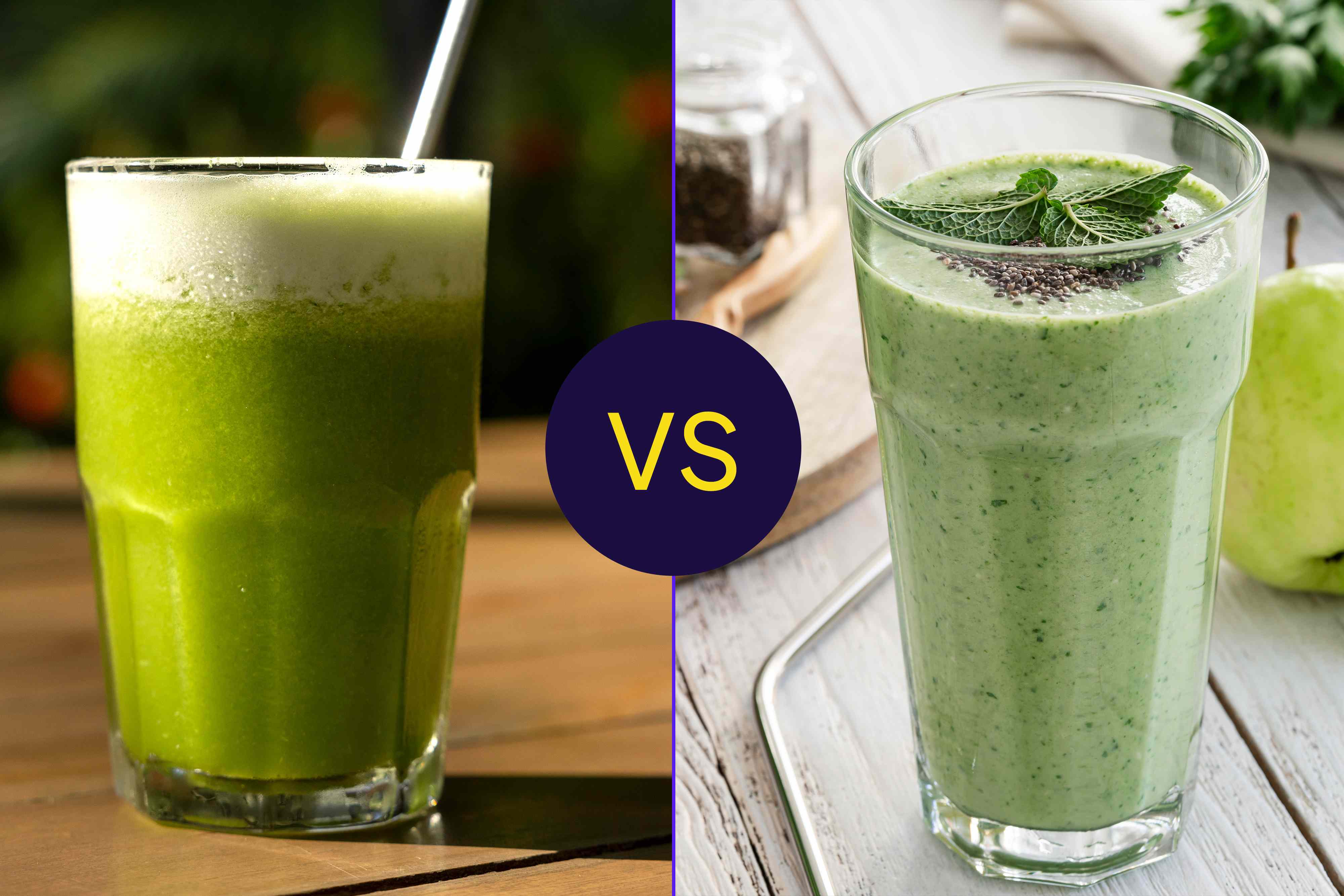
Green Juice vs. Whole Veggies: The Truth About Nutrient Intake
The world of health and wellness is constantly abuzz with new trends, and few have captured the public imagination quite like
green juice. From celebrity endorsements to social media feeds overflowing with vibrant concoctions, green juice has firmly established itself as a go-to beverage for those seeking a quick and easy health boost. Enthusiasts claim it can revolutionize digestion, aid in weight loss, reduce inflammation, and even supercharge immunity.
But amidst the hype, a crucial question emerges: Is sipping on a green elixir truly equivalent to munching on a plate of whole, leafy vegetables? Or is there a fundamental difference in how our bodies process and benefit from these two forms of nutrient intake? This article delves into the truth about green juice versus whole veggies, dissecting their benefits, downsides, and ultimate impact on your nutritional well-being.
Understanding the Green Juice Phenomenon: What’s Inside Your Glass?
At its core,
green juice is a beverage crafted from the concentrated liquid of various green vegetables, often with a touch of fruit to enhance palatability. While there's no single "official" recipe, common ingredients include nutrient powerhouses like kale, spinach, Swiss chard, celery, cucumber, wheatgrass, parsley, and mint. These ingredients are undoubtedly rich in essential vitamins, minerals, and beneficial plant compounds. For instance, Swiss chard and kale are packed with vitamins A and K, while wheatgrass is a notable source of vitamin C and iron.
To counteract the sometimes bitter taste of pure greens, many recipes incorporate small amounts of fruit such as apples, berries, kiwi, lemons, or oranges. While this improves the taste, it's a factor to consider for sugar content.
You can find green juice in various forms:
- Homemade Fresh Juice: Often considered the gold standard, offering the highest nutrient density and no added preservatives.
- Specialty Juice Cafés: Convenient options, but be mindful of ingredient lists and added sugars.
- Commercial Bottled Juices: Widely available, but often contain added sugars and are typically pasteurized. Pasteurization, while extending shelf life and killing harmful bacteria, can unfortunately degrade some heat-sensitive nutrients and beneficial plant compounds found in fresh produce. Always check labels for hidden sugars and processing methods to ensure you're getting the most nutritional value.
While green juice offers an efficient way to consume a high volume of greens, it's important to recognize that its benefits largely stem from the vegetables themselves, not an inherent magical property of juicing.
The Allure and Limitations of the Green Elixir
The appeal of
green juice is undeniable. For many, it's a convenient and enjoyable way to increase vegetable intake, especially for those who struggle to eat enough greens daily. The idea of "drinking your vegetables" holds significant appeal in our fast-paced world.
Research supports many of the health benefits associated with a high intake of leafy green vegetables, and by extension, their juices:
- Rich in Vitamins and Minerals: Green juices are concentrated sources of vital nutrients like vitamins A, C, and K, as well as minerals such as iron and potassium.
- Antioxidant and Anti-Inflammatory Properties: The array of plant compounds found in green vegetables contributes to reduced inflammation and may lower the risk of chronic diseases like heart disease.
- Digestive Support: Certain compounds in fresh juice can act as prebiotics, feeding beneficial bacteria in your gut. This can contribute to improved digestion, reduced constipation, and even better immune function.
- Easier Digestion for Some: For individuals with compromised digestive systems, such as those recovering from stomach or intestinal surgery, the lack of fiber in juice can make nutrients easier to absorb.
However, it's crucial to address the primary limitation of juicing: the removal of fiber. This is where the distinction between green juice and whole vegetables becomes most apparent. When you juice vegetables, particularly with a traditional juicer, much of the insoluble fiber is discarded. This missing fiber has significant implications for your health. While green juice can be a healthy addition, it's essential to understand its place in a balanced diet. To learn more about its overall impact, consider reading our article on
Green Juice Benefits & Downsides: Is This Health Trend Worth It?
Whole Veggies: The Unrivaled Nutrient Powerhouse
While green juice offers undeniable benefits,
whole vegetables remain the gold standard for comprehensive nutrient intake. The key difference lies primarily in fiber content and the complete package of nutrients.
Here's why whole vegetables often come out on top:
- The Power of Fiber: This is the most significant advantage. Whole vegetables provide both soluble and insoluble fiber.
- Insoluble Fiber: Adds bulk to stool, promoting regular bowel movements and preventing constipation. It also contributes to satiety, helping you feel full and potentially aiding in weight management.
- Soluble Fiber: Forms a gel-like substance in the digestive tract, which helps regulate blood sugar levels, lower cholesterol, and feed beneficial gut bacteria.
When you remove fiber through juicing, you miss out on these crucial benefits. Without fiber, the sugars (even natural ones from fruit or high-sugar veggies like carrots) in juice can be absorbed more rapidly, potentially leading to blood sugar spikes.
- Enhanced Satiety: The fiber and bulk in whole vegetables require more chewing and take longer to digest, contributing to greater feelings of fullness and preventing overeating. This is a significant factor in sustainable weight management.
- Comprehensive Nutrient Profile: Whole vegetables offer a synergistic blend of vitamins, minerals, phytonutrients, and enzymes that work together in ways that might be altered or diminished when processed into juice. The entire food matrix is preserved, providing a more complete nutritional package.
- Cost-Effectiveness: Generally, buying whole vegetables is more economical than purchasing pre-made green juices or the large quantities of produce needed for daily homemade juicing.
- The Act of Chewing: Chewing is an essential part of the digestive process, signaling to the brain that food is entering the system and triggering the release of digestive enzymes in saliva. This initial breakdown aids overall digestion.
Making the Right Choice: When to Juice, When to Crunch
So, should you ditch your green juice for good? Not necessarily. The "truth" isn't about one being inherently bad and the other universally good, but rather understanding their distinct roles in a balanced diet.
Consider green juice when:
- You struggle to eat enough vegetables: If green juice is the only way you consistently get a variety of greens, it's certainly better than nothing.
- You need a quick nutrient boost: For busy individuals, a freshly made, low-sugar green juice can be a convenient way to get a dose of vitamins and minerals.
- You have specific digestive issues: For individuals recovering from certain surgeries or those with conditions where fiber is temporarily restricted, green juice can be a gentler way to absorb nutrients.
- You want enhanced hydration: Many green juice ingredients are high in water, contributing to overall hydration.
Prioritize whole vegetables for:
- Optimal digestive health: The full spectrum of fiber is crucial for gut health, regularity, and a thriving microbiome.
- Sustained satiety and weight management: Fiber helps you feel fuller for longer, reducing the urge to snack.
- Stable blood sugar levels: Fiber slows sugar absorption, preventing sharp spikes and crashes.
- The complete nutritional package: Eating the whole food ensures you get all the synergistic nutrients and beneficial compounds.
- Long-term healthy eating habits: Incorporating diverse whole vegetables into meals fosters a more sustainable and balanced approach to nutrition.
If convenience is a major factor, consider
blending your greens into a smoothie rather than juicing them. Blending retains all the fiber, offering a compromise that delivers many of the benefits of whole vegetables in a drinkable format. You can learn more about maximizing the benefits and avoiding common pitfalls in our
Green Juice Guide: Maximize Health Benefits and Avoid Pitfalls.
Conclusion
The debate between green juice and whole veggies isn't about declaring a single winner, but about understanding their unique contributions to your health. While
green juice can be a valuable tool for boosting nutrient intake, especially for those struggling to consume enough greens, it is not a direct substitute for the comprehensive benefits offered by whole vegetables. The crucial difference lies in fiber content, which significantly impacts digestion, satiety, and blood sugar regulation.
Ultimately, the most effective strategy for optimal nutrient intake involves a foundation of diverse, whole vegetables consumed regularly. Green juice can then serve as a beneficial supplement, used strategically for convenience or specific health needs. By understanding the truth about each form, you can make informed choices that best support your journey towards vibrant health and well-being.